Is your home feeling more like a swamp than a sanctuary? High humidity levels can lead to a host of problems, including the dreaded mold growth. While your air conditioner plays a crucial role in maintaining a comfortable indoor environment, it might not be enough to combat excessive humidity on its own. As your trusted HVAC contractor, Orrs HVAC Solutions is here to shed some light on why this happens and what you can do about it.
The Humidity Culprit
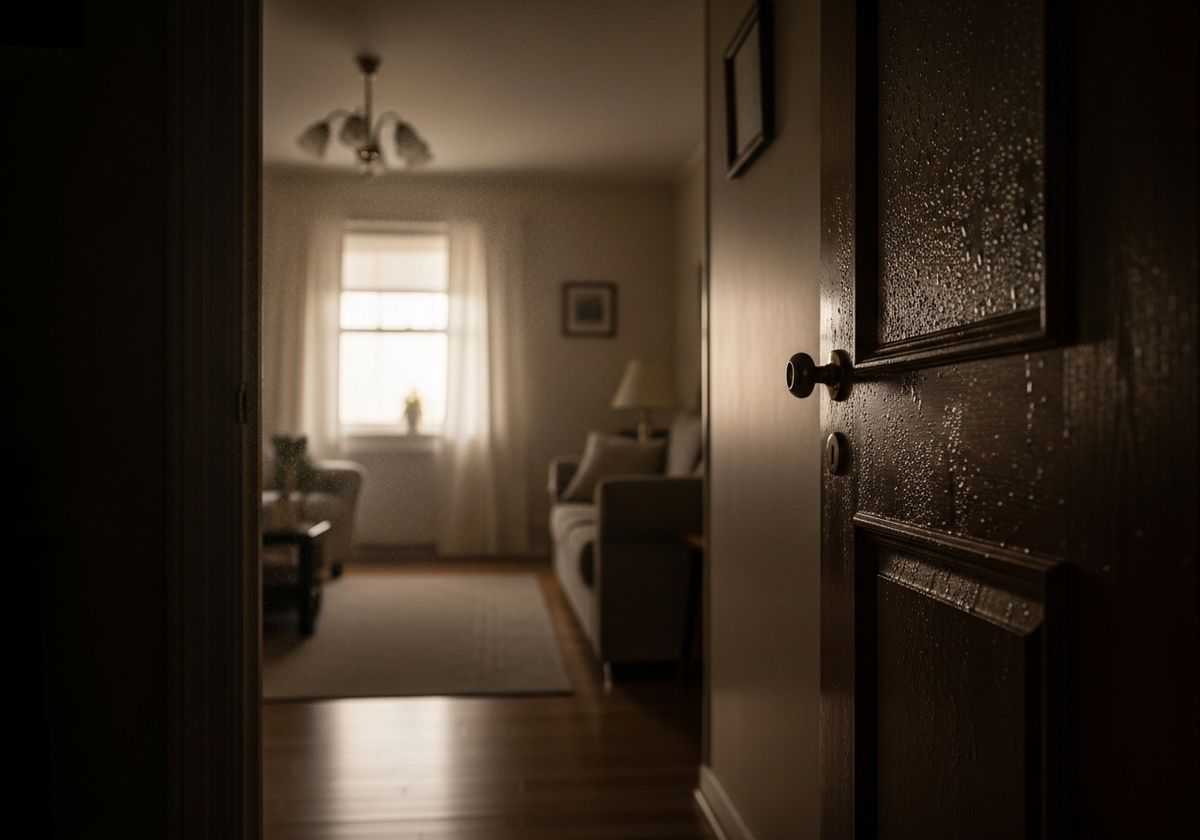
Humidity refers to the amount of moisture in the air. Ideally, your home should maintain a humidity level between 30% and 50%. When humidity levels rise above this range, it creates a breeding ground for mold, dust mites, and other unwelcome guests. Excess moisture can also damage your home's structure, leading to wood rot, peeling paint, and musty odors.
Why Your AC Falls Short
Air conditioners are designed to cool and dehumidify the air, but their dehumidifying capabilities are limited. Several factors can contribute to your AC's inability to handle high humidity:
Oversized AC: An AC unit that's too large for your space will cool the air quickly without effectively removing moisture.
Short Cycling: If your AC turns on and off frequently, it doesn't have enough time to dehumidify the air properly.
Poor Airflow: Blocked vents, dirty air filters, or ductwork issues can restrict airflow, reducing your AC's efficiency.
External Factors: Leaky windows and doors, poor insulation, and humid outdoor conditions can all contribute to high indoor humidity levels.

Identifying the Signs of High Humidity
Keep an eye out for these telltale signs of excessive humidity in your home:
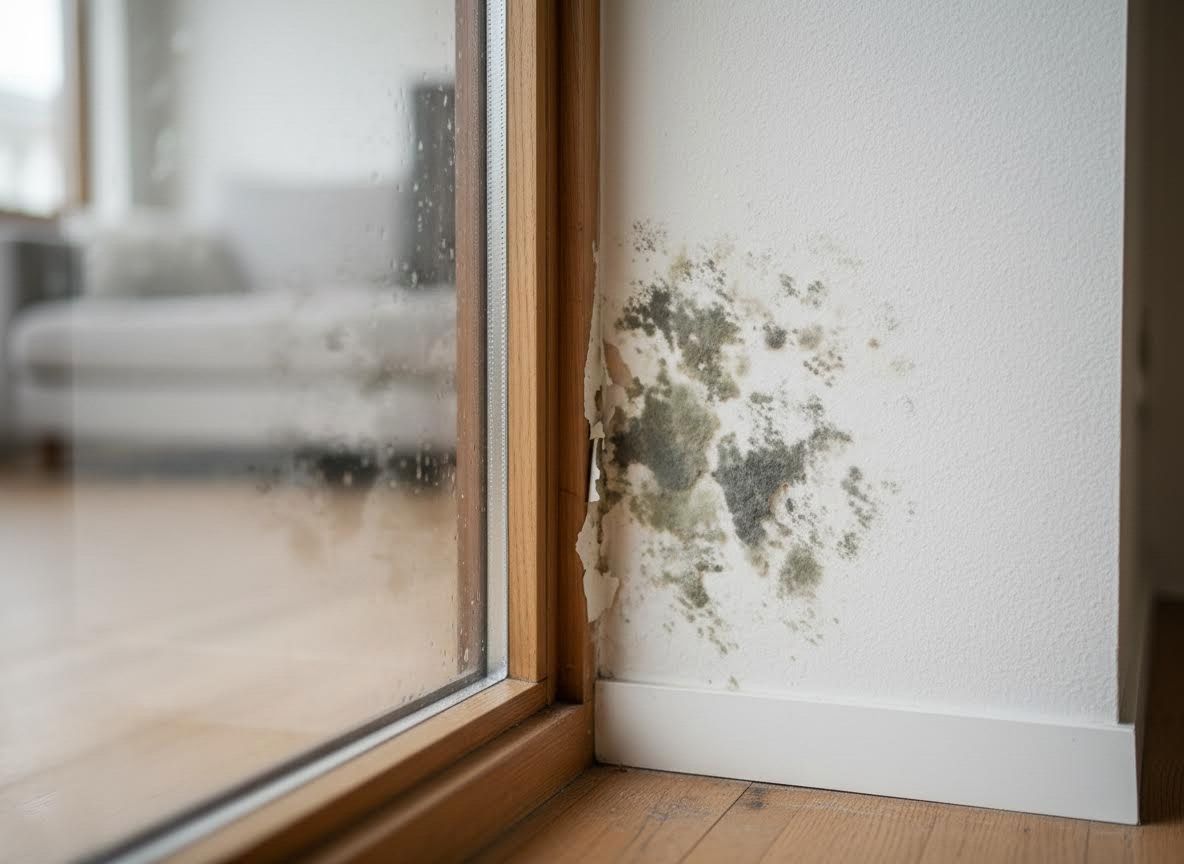
Condensation on windows and mirrors
Musty odors
Visible mold growth
Warped wood floors or furniture
Peeling paint or wallpaper
Increased allergy symptoms
Taking Control of Humidity
Fortunately, you can take steps to manage humidity levels in your home:
Invest in a Dehumidifier: A dehumidifier is specifically designed to remove moisture from the air. Place it in areas with high humidity, such as basements, bathrooms, and laundry rooms.
Improve Ventilation: Ensure proper ventilation by opening windows and doors when weather permits. Use exhaust fans in bathrooms and kitchens to remove moisture-laden air.
Seal Leaks: Seal any cracks or gaps in windows, doors, and walls to prevent humid air from entering your home.
Upgrade Insulation: Proper insulation helps regulate temperature and reduce humidity levels. Consider adding insulation to your attic, walls, and crawl spaces.
Regular HVAC Maintenance: Schedule regular HVAC maintenance to ensure your system is running efficiently. A well-maintained AC unit will dehumidify the air more effectively.
Don't let high humidity compromise your comfort and health. By understanding the limitations of your AC and taking proactive measures to control moisture levels, you can create a more comfortable and healthy living environment. At Orrs HVAC Solutions, we're committed to providing comfort with exceptional customer care. With over 20 years of combined experience, we deliver energy-efficient HVAC solutions tailored to your needs. Contact us today to learn more about our HVAC services and how we can help you maintain optimal indoor air quality!