

Are you waking up tired, even after a full night's sleep? The problem might not be your mattress or your schedule, but the temperature and humidity levels in your bedroom. Precise climate control plays a crucial role in achieving restful, restorative sleep. Let's explore how maintaining optimal temperature and humidity can transform your sleep quality, and how the professionals at Orrs HVAC Solutions can help.
The Ideal Temperature for Sleep
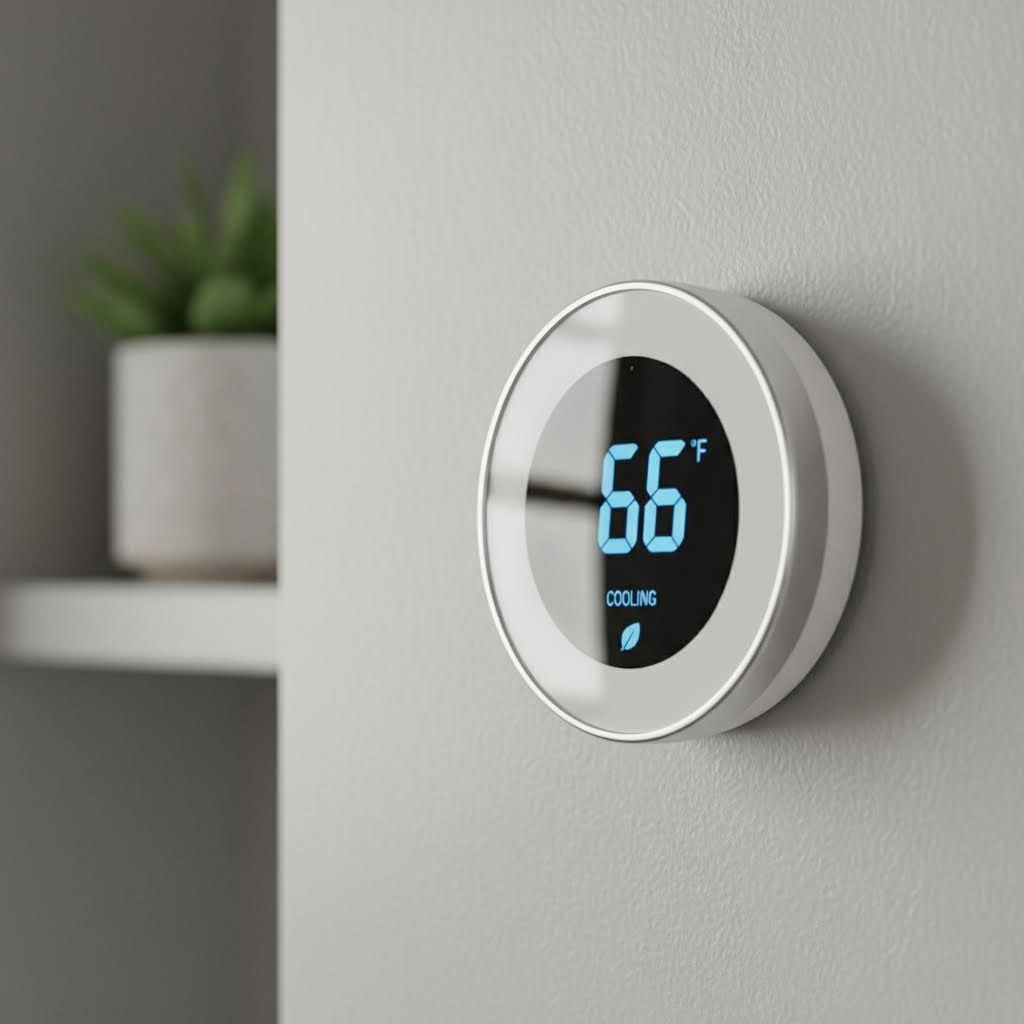
Experts generally agree that the best temperature for sleep is between 60 and 67 degrees Fahrenheit. This range helps your body's core temperature to decrease, which is a natural part of the sleep initiation process. A cooler room signals your body that it's time to rest, making it easier to fall asleep and stay asleep. When you're too warm, your body struggles to regulate its temperature, leading to restlessness and frequent awakenings. On the other hand, a room that's too cold can also disrupt sleep, as your body works to stay warm.
Humidity's Impact on Sleep Quality
Humidity refers to the amount of moisture in the air. Ideal humidity levels for sleep are typically between 30% and 50%. When humidity is too high, the air feels heavy and damp, making it difficult for your body to cool down through perspiration. This can lead to sweating, discomfort, and disrupted sleep. Low humidity, on the other hand, can dry out your nasal passages and throat, leading to congestion, snoring, and a parched feeling. Maintaining the right humidity level ensures that your airways remain comfortable and clear, promoting easier breathing and deeper sleep.
Practical Tips for Achieving Optimal Climate Control
Use a Programmable Thermostat: Set your thermostat to automatically lower the temperature a few hours before bedtime. This ensures that your bedroom is cool and comfortable when you're ready to sleep.
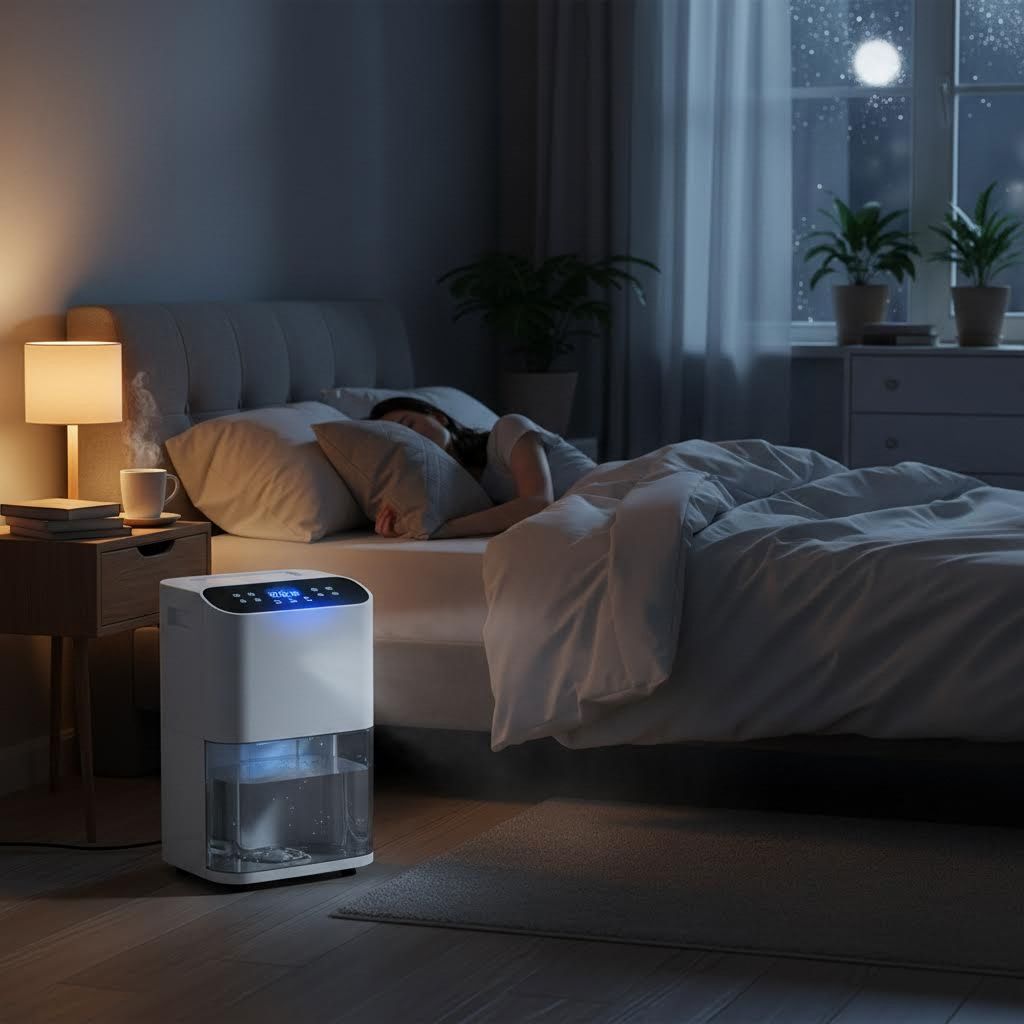
Invest in a Dehumidifier or Humidifier: Depending on your local climate and the season, you may need to adjust the humidity levels in your home. A dehumidifier can remove excess moisture from the air, while a humidifier can add moisture when the air is too dry.
Consider a Smart Climate Control System: Smart systems allow you to precisely control temperature and humidity from your smartphone or tablet. Some systems even learn your preferences and automatically adjust settings for optimal sleep.
Optimize Airflow: Ensure that air circulates freely in your bedroom. Use fans to improve airflow and prevent stagnant air, which can exacerbate temperature and humidity issues.
Regular HVAC Maintenance: A well-maintained HVAC system is essential for effective climate control. Schedule regular maintenance to ensure that your system is operating efficiently and effectively.
Achieving quality sleep is multifaceted, but the impact of precise temperature and humidity control cannot be overstated. By understanding how these factors influence your body's natural sleep processes and taking proactive steps to manage your bedroom climate, you can unlock deeper, more restorative sleep. At Orrs HVAC Solutions, we understand the importance of a comfortable home environment. Our expertise in HVAC services ensures that your systems are running efficiently, providing the climate control you need for a better night's sleep, every season. Contact us today!