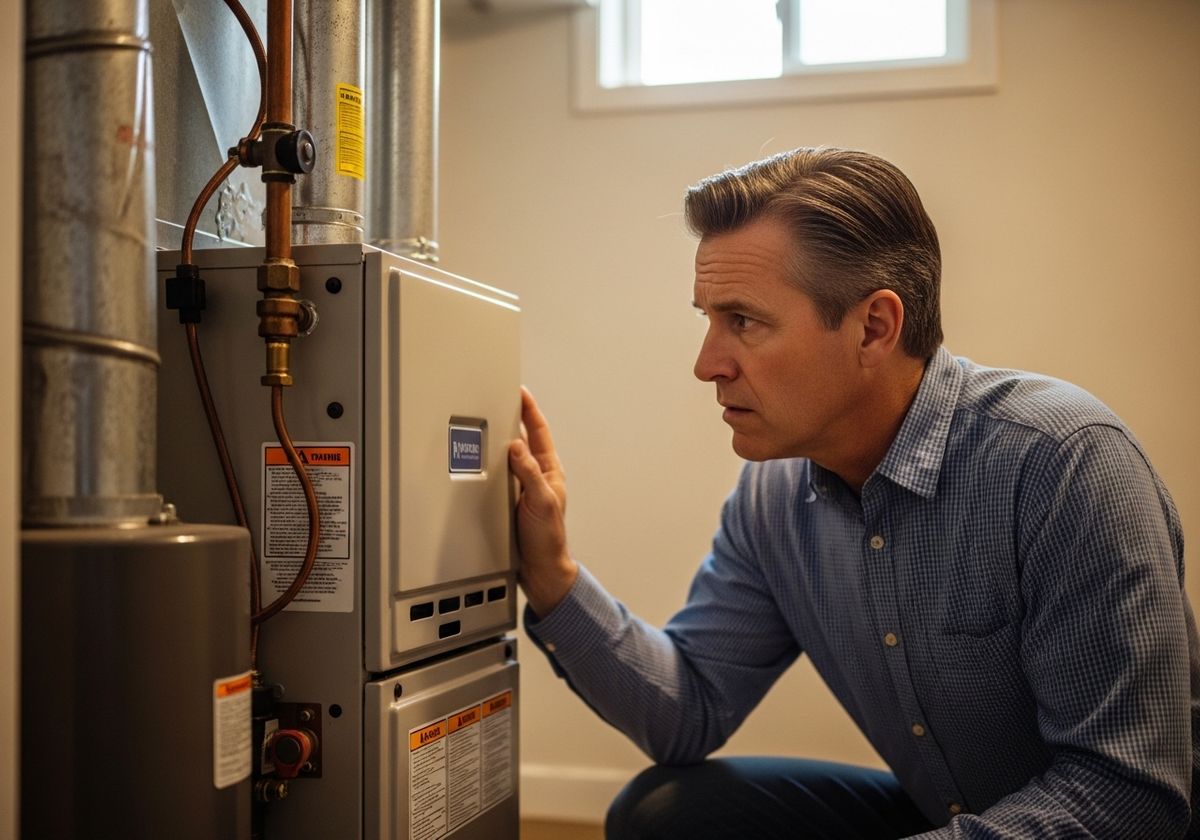
The Texas climate presents unique challenges for home heating systems. While furnaces aren't used as heavily as air conditioners, they still play a crucial role in maintaining comfort during the cooler months. Understanding the lifespan of your furnace and knowing when to repair versus upgrade is essential for Texas homeowners. The team at Orrs HVAC Solutions is available to help, whether you decide to repair your furnace or invest in an upgrade!
Factors Affecting Furnace Lifespan
Several factors influence how long your furnace will last:
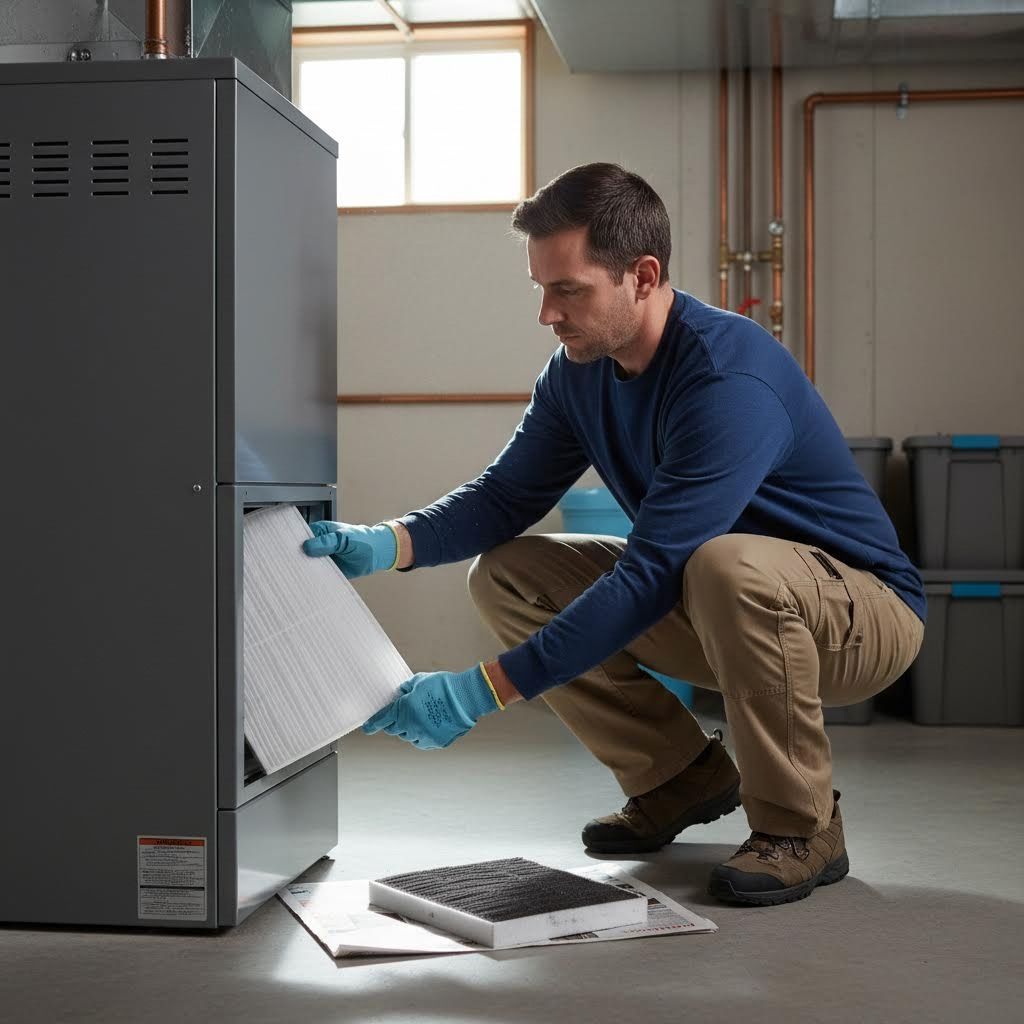
Maintenance: Regular HVAC maintenance is the most important factor. A well-maintained furnace will last significantly longer than one that is neglected.
Usage: How often you use your furnace affects its lifespan. In milder Texas climates, furnaces may last longer due to less frequent use.
Quality of Installation: A properly installed furnace will operate more efficiently and experience less stress, extending its lifespan.
Type of Furnace: Different types of furnaces (e.g., gas, electric) have varying lifespans.
Average Furnace Lifespan in Texas
In Texas, a well-maintained furnace typically lasts 15-20 years. However, this is just an average. Some furnaces may last longer, while others may need replacement sooner.
Signs It's Time to Repair Your Furnace
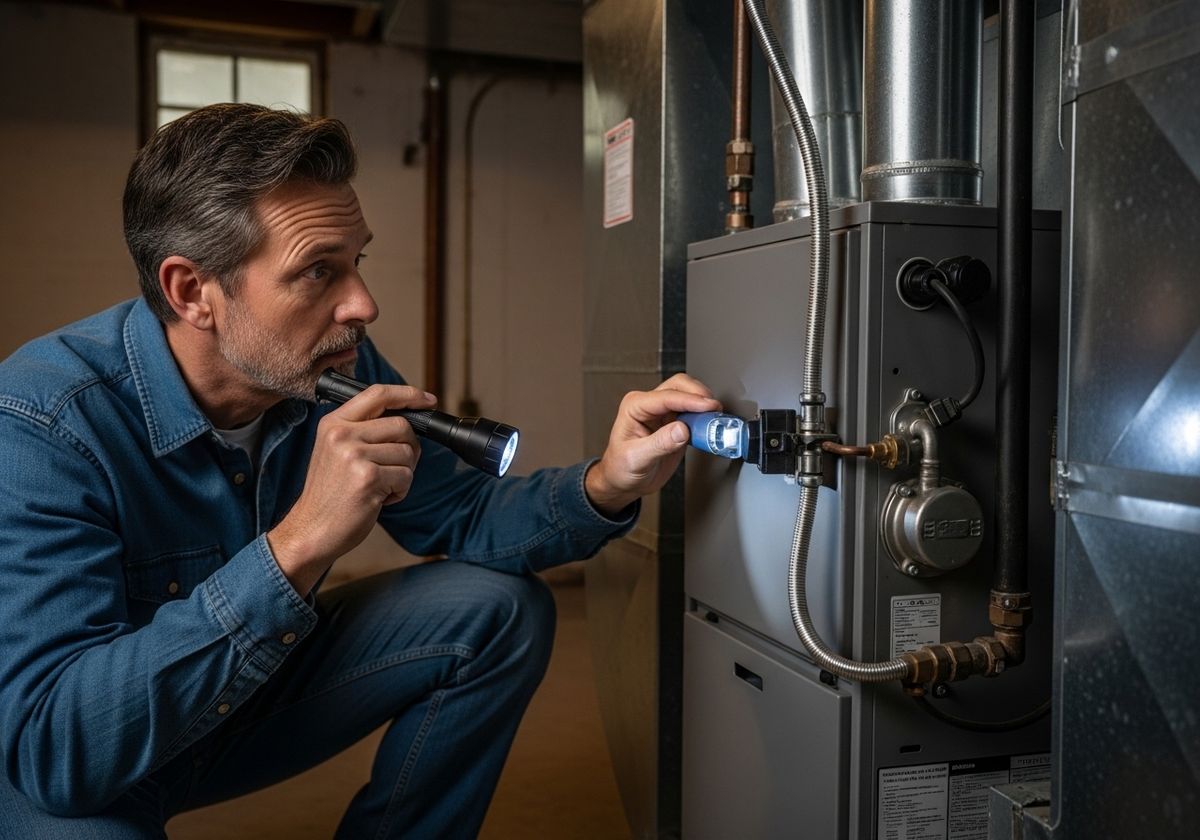
If your furnace is less than 15 years old and exhibiting the following issues, repair may be a viable option:
Minor issues: Strange noises, inconsistent heating, or frequent cycling.
Specific component failures: A faulty igniter, blower motor, or thermostat can often be replaced without replacing the entire unit.
Rising energy bills: A decrease in efficiency can sometimes be resolved with a tune-up or minor repair.
When to Consider a Furnace Upgrade
Consider replacing your furnace if:
Age: Your furnace is 15 years or older. Even with repairs, an older furnace becomes less efficient and more prone to breakdowns.
Frequent repairs: If you're constantly calling for repairs, the cost of these repairs can quickly add up to the cost of a new furnace.
Significant decrease in efficiency: Older furnaces have lower AFUE (Annual Fuel Utilization Efficiency) ratings. Upgrading to a high-efficiency model can save you money on energy bills.
Safety concerns: Cracks in the heat exchanger or carbon monoxide leaks are serious safety hazards that warrant immediate replacement.
Knowing when to repair and when to upgrade your furnace can save you money and ensure your home stays comfortable during the cooler months. Regular maintenance, timely repairs, and strategic upgrades are essential for maximizing the lifespan of your heating system. If you're experiencing issues with your furnace or considering an upgrade, contact Orrs HVAC Solutions. With decades of combined experience, we ensure quality installation, prompt HVAC repair services, and preventative HVAC maintenance to keep your system running reliably.